
Our hot take? Position yourself for the future of energy

A small West Virginia solar company with an active R&D shop, global energy expertise, deep industry connections, energy policy previews and cutting-edge tech training? 

It sounds unlikely, but that’s what’s going on behind the scenes at mtvSolar. 

Now, more than ever, our grasp of the changing tides of energy is rising to the top of our offerings to customers. We’re studying how an under-pressure grid is likely to impact electric rates and power availability, and what that means for customers today, 5 and 10 years from now. Your energy partner should be thinking ahead, and we are.

You’re wondering what home energy management of the future is going to look like. You need to plan your next addition or build-out with energy costs in mind. You’re curious how your home and EV can work together to offset rising electricity costs. These are conversations our consultants have every day – not just when a contract is being signed. 
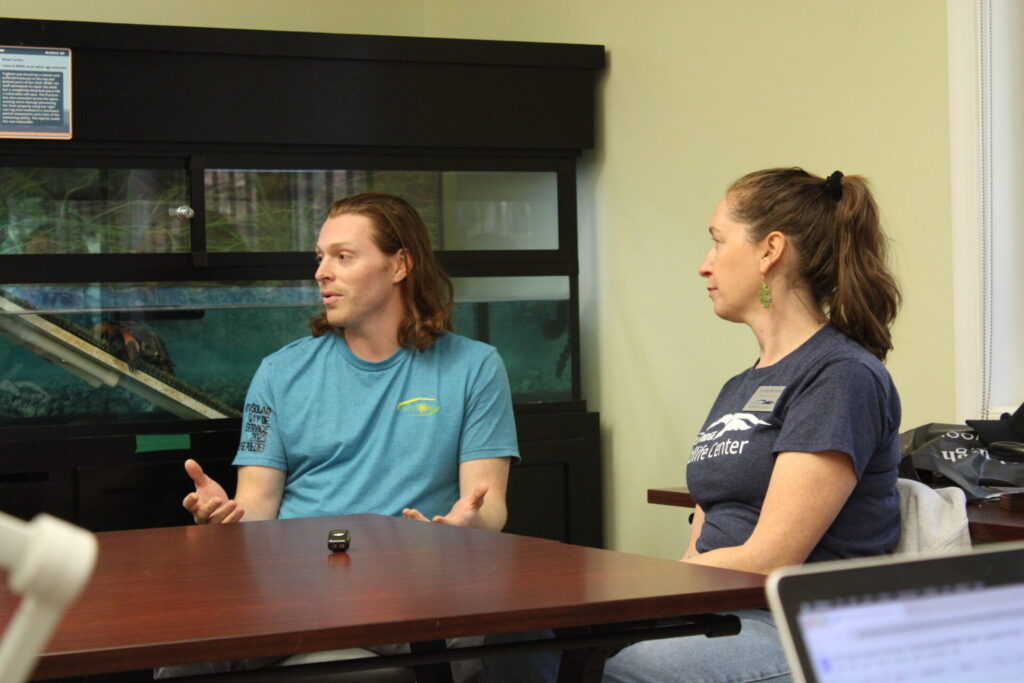
Casey Feezle talks with customers about future solar expansion.

“Because of our knowledge of energy services offerings, from the traditional grid to emerging commercial and residential delivery systems, we have insight as to what’s coming in the energy sector,” shared Casey Feezle, mtvSolar’s Business Development Manager. “We share that so you can position yourself for the future – both short and long-term.”

That’s how mtvSolar has always done business.

What are some of those insights we’re sharing with those with an interest in renewable energy? 

Mike Studholme, Sales Manager, says one of the top tips is for homeowners to pursue their own energy independence now.

“The power companies are not prioritizing residential service. You should,” he said. 

The electrical grid is aging and has growing demands. Power customers may start seeing new kinds of charges on their bills – “time of use” charges that set a higher price for kilowatts used during high-demand periods, for example. Those fees and rate hikes are one way that electrical utilities remain solvent as the overall cost of power rises, from generation to delivery.

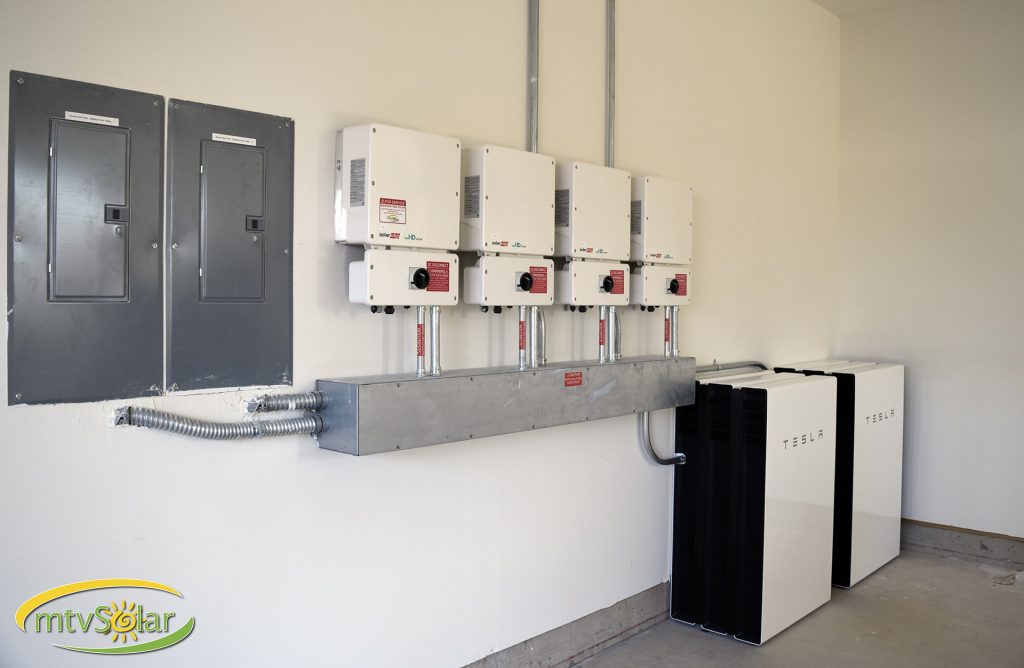
Battery systems are an increasingly popular add-on with solar. Batteries allow homeowners to store their own power, protecting against outages and offsetting high-demand power draws. They’re also essential to an energy budget that works for YOU.
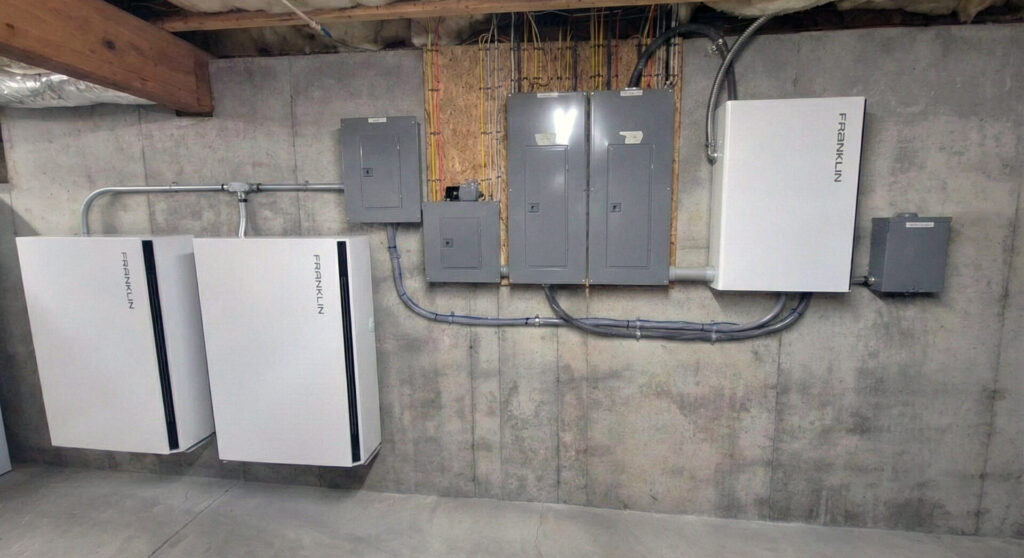
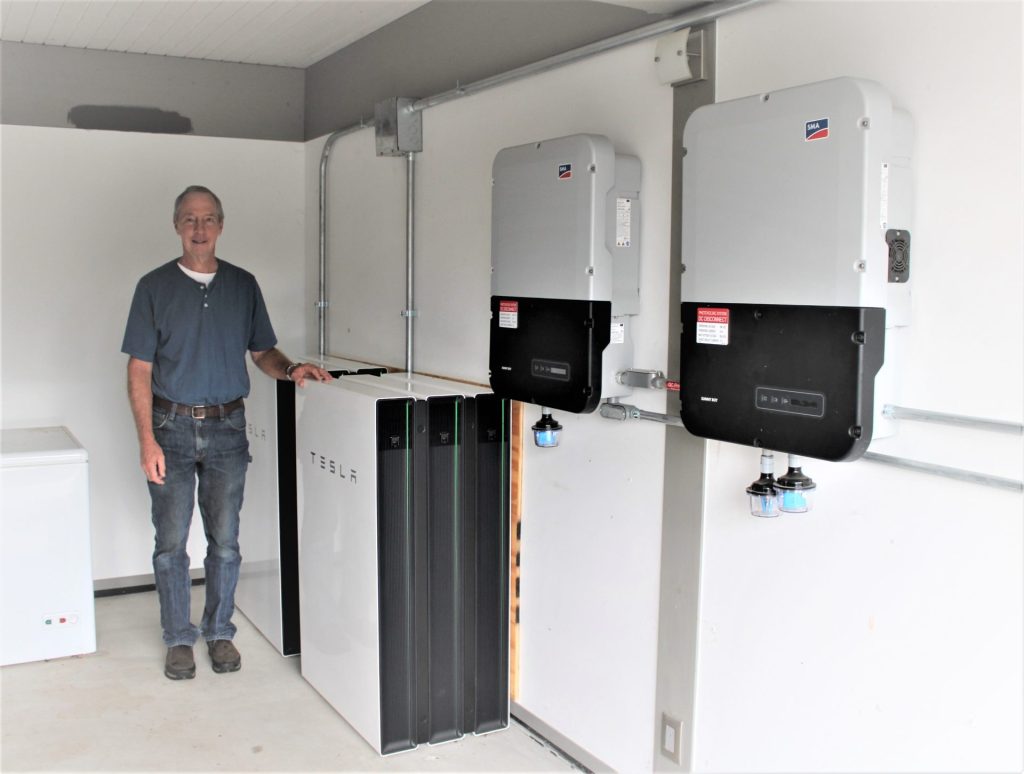
An mtvSolar Franklin battery install.

“It’s an easy way to own your own power, control your costs and avoid being impacted by shortages or extra charges,” said Studholme. Not only that, there are new incentives on the horizon for homeowners that have battery energy storage. Power companies are recognizing them as a tool in the grid to manage the flow of energy demand, all the way down to your personal meter.

Another recommendation is for customers to “start small” with solar and energy storage if money is an obstacle. For example, a homeowner may dream of going “net zero” with solar panels – generating enough electricity to offset all of their power needs. But maybe that’s an investment you can’t make all at once. 
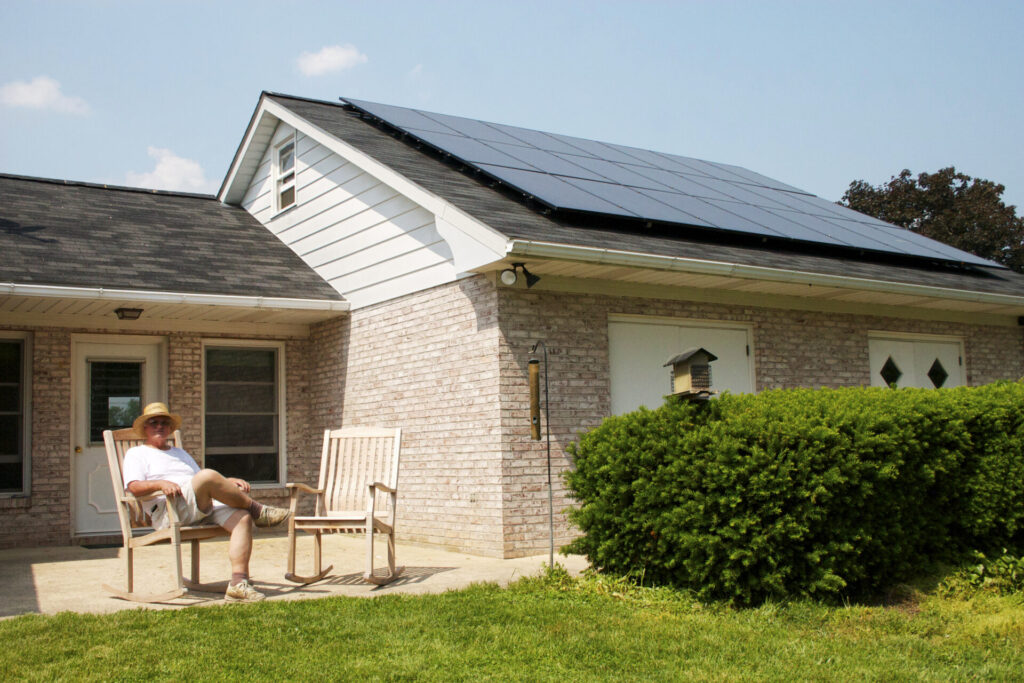
Studholme said installing some solar – even if it’s less than what you want ultimately – has multiple benefits. For one, it gets your system “grandfathered in” to existing net metering rules. Those rules will be changing in several states, reducing what a homeowner will get for each solar kilowatt they sell back to power companies. By installing solar now, property owners lock in today’s net metering rates for the future.

Most solar generation systems have SolarEdge inverters that allow a homeowner to add panels without having to add another inverter expense, meaning you can build out your system economically, step by step.

Despite the loss of residential tax credits for solar, PV panels will still deliver a return on investment – via reduced electric bills, increased home value and less reliance on traditional grid power. 

These are just some of the recommendations we’re sharing with folks who are weighing the leap into solar and home energy storage, and deciding how best to position themselves for tomorrow.

“Even if you’re not in a position to buy solar now, we can help you analyze your energy costs and demands, your options to reduce energy draw today and steps toward your ultimate energy goals, even if they’re further out on the horizon,” said Casey Feezle. 
To start a conversation about your energy goals today, learn more here: Free Estimate – Mountain View Solar

A system that paid for itself in one storm

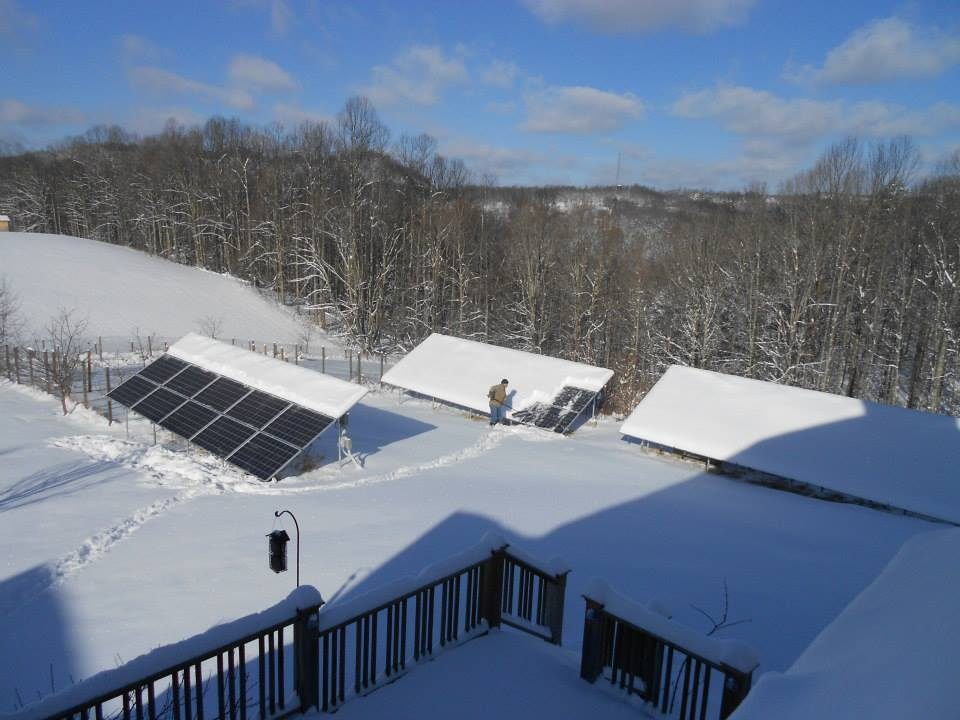
Like most solar owners, John Snyder calculated how long it would take for his solar panel array and battery backup system to pay for itself from the initial upfront cost. That calculation prepared he and his wife for a 7-year return on investment. But their solar and battery payoff came much sooner than that. Their 45-panel, 10 kW system was installed by mtvSolar at their Summersville, W.Va. farm in 2011. In June of 2012, a freak derecho storm hit West Virginia, knocking out power to most of the state for 12 days in sweltering temperatures.

“The battery backup system paid for itself in that derecho,” said Snyder. He and his wife watched people lined up at gas stations trying to get gasoline to power their generators to keep refrigerators cool, fans running and supply electricity to essentials.

“We never lost power,” he said. Their solar and battery backup saved two freezers full of expensive meats and specialty products that would have been near impossible to replace. “It paid for itself in one storm,” Snyder said.

Shortly after, Super Storm Sandy knocked power out for another seven days. He and his wife never lost electricity.

Nearly a dozen years later, operating a rare breed chicken farm with multiple coops and pens, the Snyders have an even bigger solar array and slightly different battery backup, all paying for itself in self-generation.

For 10 months of the year, their electric bill is around $5.

Back when the couple started looking for a solar contractor, there were very few choices in West Virginia. He found a number for mtvSolar and called to see if the Berkeley Springs company would travel to Summersville, several hours away, to install a system. A salesman said yes, drove down to see their farm and talk about the possibilities.

Snyder said one thing in particular made an impression on him.

He and his wife had started thinking about a combination of solar panels and wind, thinking one of their fields would be a good candidate for a windmill. The mtvSolar salesman didn’t recommend it. The location would have required a 150-ft. mast and the equipment would have been expensive to repair if anything malfunctioned.

“He could have said, ‘Okay, we’ll sell it to you’ but he didn’t,” Snyder said. That honest approach impressed him, and kicked off a long customer relationship, including added solar panels and battery upgrades.

“We have recommended mtvSolar to anyone who’s looking at solar,” said Snyder.

Plan now to grab Maryland energy storage tax credits for 2024

Maryland’s Energy tax credits for residential energy storage projects (think battery systems) were so popular in 2023 that the Maryland Energy Administration (MEA) stopped taking tax credit applications in August, anticipating the state would run out of designated funds well before the end of the year. Maryland’s lawmakers had agreed to set aside $750,000 in the 2023 tax year. Once the money was given out in tax credit certificates, that was it for the year.

The MEA was authorized to give out tax credits for 30% of the cost of an energy storage system — up to $5,000 in tax credits for a system installed in a residential property, and up to $150,000 for a system installed in a commercial property.

For many homeowners and businesses, these credits offered a big incentive to add energy storage components for a variety of reasons — to weather power outages, offset peak demand charges and establish energy stability for themselves.

The popularity of the tax credits this calendar year are a preview of 2024. Under Maryland law, the new year will replenish the Maryland Energy Storage Income Tax Credit fund back to its annual level of $750,000. That means homeowners and businesses can start adding energy storage and battery systems, and tap into the new pool of credits for 2024. The fund is set to run through the end of 2024, as long as the money holds out.

Maryland customers thinking of adding a battery storage system to tie into your solar panels should act early in 2024 to grab the state tax incentives while they last. mtvSolar is proud to serve customers all over Maryland and has the battery expertise to talk you through your options. Call us at 540-686-2052 to find out more.

We tested out the new Smart Load controller for you

This week, we put the SolarEdge Smart Home load controller to the test! Our team trained with SolarEdge on site to install the controller in one of our own homes — letting us see how this new component can fit into residential settings and work with existing solar components. We liked what we saw!

Take control of your home energy like never before!

The SolarEdge Smart Load Controller is a game-changer. It gives homeowners an easy way to manage what gets power during an outage, and for how long. Here’s what else:

  • Maximize your solar self-consumption: Use more of the clean energy your panels produce, reducing your reliance on the grid and saving you money.
  • Extend your backup battery power: Prioritize essential appliances during outages, keeping your lights on and your family comfortable.
  • Schedule and control your heavy hitters: Run appliances like pool pumps, air conditioners, and electric vehicle chargers on your own terms, using smart scheduling and remote control. ‍
  • Track your energy in real-time: Monitor your solar production, consumption, and savings with the user-friendly mySolarEdge app.

Our field-tests of the controller, with company reps and our top electricians working side by side, gave us a real-life look at whether this new component is suitable for our customers. The answer — it is.

The SolarEdge Smart Load Controller is available NOW from mtvSolar! Want to know more? Let’s chat!  

Call us now at 540-686-2052.

Staying Prepared for the Unexpected with Solar and Batteries

In today’s world, extreme weather events are becoming increasingly common. From hurricanes and wildfires to snowstorms and ice storms, these events can cause widespread damage and power outages. While we can’t always control the weather, we can take steps to prepare for its impacts.  Winter weather can cause power outages in a number of ways, including:

  • Ice and snow: Ice and snow can weigh down power lines, causing them to break or sag. This can lead to outages for both individual homes and entire neighborhoods. Ice can also bring tree branches and whole trees down across power lines.
  • High winds: High winds can also damage power lines, causing them to break or become entangled. This can lead to widespread outages, especially in areas with a lot of trees.
  • Freezing temperatures: Freezing temperatures can cause power stations to be overloaded.

Winter weather can also indirectly lead to outages by making it more difficult for power companies to maintain their infrastructure. For example, heavy snow can make it difficult for workers to access damaged lines, and freezing temperatures can make it difficult for crews to repair equipment.

One of the best ways to prepare for power outages is to invest in solar panels and batteries. Solar panels can help you generate your own electricity, even during an outage. Batteries can store this electricity so that you can use it when you need it most.

Benefits of Solar and Batteries

There are many benefits to having solar panels and batteries, including:

  • Reduced reliance on the grid: With solar panels, you can generate your own electricity, which means you’ll be less reliant on the grid. This can save you money on your energy bills and help you avoid power outages.
  • Increased peace of mind: Knowing that you have a backup source of power can give you peace of mind during an outage. You’ll be able to keep your lights on, your food cold, and your medical devices running.
  • Environmental benefits: Solar energy is a clean and renewable source of energy. By using solar panels, you can help reduce your carbon footprint and protect the environment.

Mountain View Solar: Your Partner in Solar and Battery Storage

If you’re considering investing in solar panels and batteries, Mountain View Solar is a great partner to have. With over 15 years of experience, Mountain View Solar provides proven solar and battery storage solutions. We offer a wide range of products and services, including:

  • Free solar consultations: Mountain View Solar will come to your home and assess your energy needs. We will then work with you to design a custom solar and battery storage system that meets your needs and budget.
  • Expert installation: Our experienced installers will ensure that your solar and battery storage system is installed correctly and safely.
  • Ongoing support: We provide ongoing support to ensure that your solar and battery storage system is working properly.

Additional Tips for Conserving Energy

In addition to having a backup plan, there are a number of things you can do to conserve energy during an outage:

  • Turn off lights and electronics when you’re not using them. This includes things like TVs, computers, and stereos. You can also use smart power strips to automatically turn off devices when they’re not in use.
  • Use natural light whenever possible. Open curtains and blinds during the day to let in sunlight. This will reduce your need for artificial light.
  • Replace traditional light bulbs with LEDs. LEDs use up to 80% less energy than traditional incandescent bulbs.
  • Seal up air leaks around your windows and doors. This will help to keep your home warm in the winter and cool in the summer, reducing the need for power to heat and cool.
  • Stay informed: Monitor weather reports and follow the instructions of local officials.

An Integrated System

Mountain View Solar can integrate your solar panels, battery backup system, and generator into a single system that is intelligently controlled. The system will automatically switch to the generator if your solar panels and battery backup system are not able to provide enough power.  Once the batteries have recharged, the generator will shut down and your home continues to be powered by solar and battery power.  We can also integrate a fully solar/battery/generator interactive system.

Benefits of an Integrated System

There are many benefits to having an integrated solar, battery backup, and generator system, including:

  • 24/7 power: You will have access to power 24/7, even during a long-term outage.
  • Peace of mind: You will have peace of mind knowing that you are prepared for any power outage.
  • Reduced reliance on the grid: You will be less reliant on the grid, which can save you money on your energy bills.

Customer testimonial: A quick response to add battery backup in rural Pennsylvania

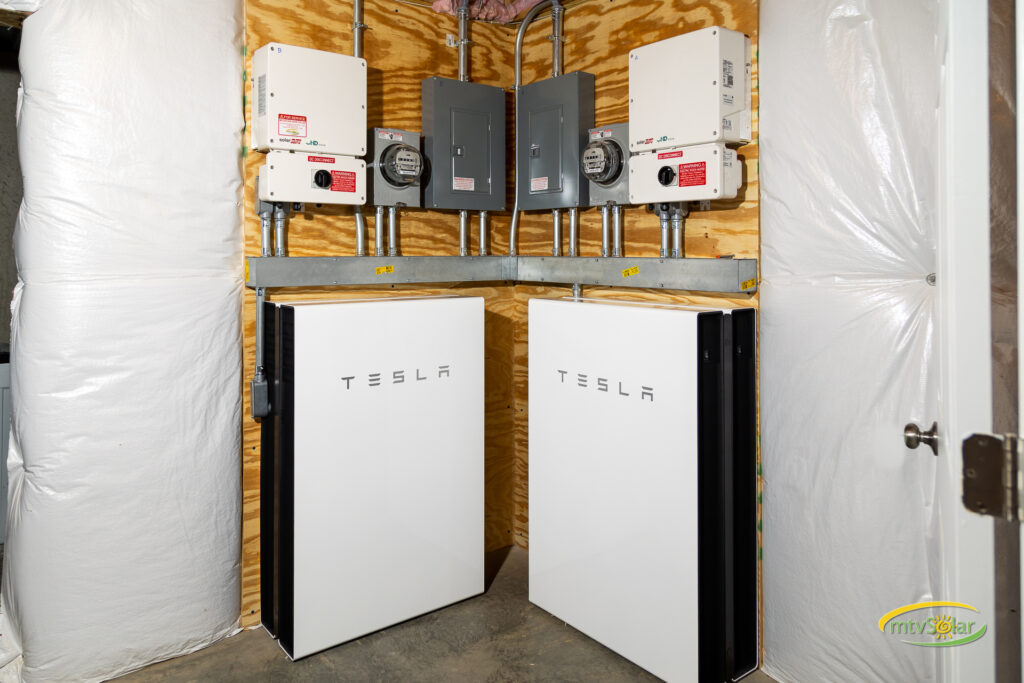
After losing power over Christmas for a day and a half, Steve Hendricks starting looking into a battery backup system to tie to his home’s solar panels in the rural countryside of Bedford County, Pa. He and his wife were in line for a Tesla Powerwall, but the installation options fell through. Steve searched online and found mtvSolar was a certified Tesla Powerwall installer, and called us. Consultant Natalie Friend responded right away, and very soon Steve had four Powerwalls in action. Several months later, he decided to add two more Powerwalls to help charge the couple’s electric vehicles and add to their rural home’s power backup system. Steve called us back and after a day’s work, we had upgraded his system to six Powerwalls.

Steve said the first four batteries were able to cover the whole house electric needs, but he wanted to ensure there wouldn’t be any more power interruptions. Just last week, the power went out for his neighbors and he said he never would have known the grid was down except that his Tesla monitoring app sent him a notification it had happened.

Steve was impressed by how responsive mtvSolar was to his request for the batteries and installation work, and how hard everyone worked to get the job done. Everyone he encountered was friendly and took time to explain the work they were doing. “It was a totally positive experience,” he said. He would recommend mtvSolar to anyone interested in building out their own solar and battery backup system.

Remote work hinges on the power to stay connected

Working from home wasn’t born during COVID, but pandemic shutdowns and evolving workplaces have made remote work a new mainstream way of earning a living.

Waves of urban and suburban workers have spread out into more rural communities, where the cost of living is lower. More land choices, greater options for homesteading and dreams of self-sufficiency led people to buy homes and property outside of metropolitan areas. Because of remote work options, that no longer means giving up good-paying jobs or professional opportunities. It’s now normal to work on a business team that’s spread across several states, or even countries, and to hold meetings where no one is in the same room together. Adapting to this new work flow has happened successfully for millions of people across all industries. But this revolution hinges on two key factors – the availability of broadband internet and reliable electricity.

Many communities in rural states like West Virginia are pooling federal, state and local resources to expand broadband service to all residents – from families with school children to remote workers. Broadband internet is now considered to be an essential utility, much like electricity.

But some rural residents struggle when electric service fails, taking away the power source for their connection to remote work. Lost power means lost worktime, as some newly-rural workers are finding out. A multi-day outage, not uncommon in some small communities, has impacts on both home and work opportunities.

Solar energy is an excellent option for home power needs, but can be an even bigger game-changer in times of total power outages or grid failures. With a properly-designed system of solar PV panels and battery storage, a house and home office can continue to run essential equipment no matter what the power grid does. Big advances in battery storage options, along with energy management tools, mean mtvSolar customers can control their own power system. These systems — whether in a home or a small business — can be a wise investment for remote workers whose livelihood and new way of life are dependent on continuous broadband internet access, and the power to stay connected.  

If you’re interested in learning more about our expertise in designing a solar power and battery system for your home, business and remote working needs, read more here: https://mtvsolar.com/resource-center/all-about-batteries/ or contact us for a consultation.